

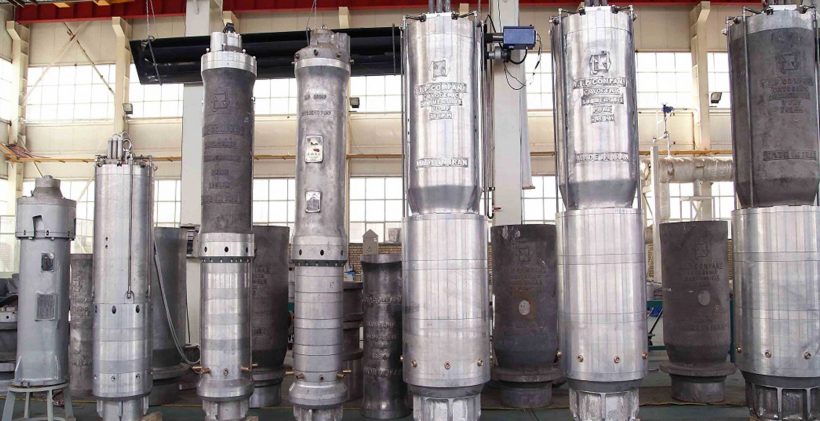
What is Cryogenic pumps?
Applications of cryogenic pumps that play an important role in various industries including liquefied natural gas (LNG), space industries, medicine and scientific research.
This article comprehensively reviews the principles of operation, structure, applications, advantages, challenges and future of floating cryogenic pumps.
Cryogenic pumps are specialized and advanced tools designed to transfer very cold liquids. These liquids, known as cryogenics, have extremely low temperatures, typically below -50°C.
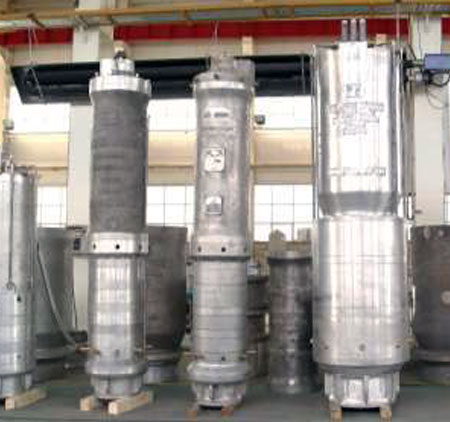
Principles of performance Cryogenic pumps
Cryogenic pumps work through a combination of mechanical and hydraulic principles.
These pumps are designed to handle very cold liquids efficiently and safely. The main components of floating cryogenic pumps include the following:
- ectricEl motor: The electric motor supplies the necessary energy to rotate the propeller. This engine is usually designed to be able to operate in very low temperature conditions.
- Propeller: The propeller moves the cryogenic liquid by its rotation. The design of the propeller is such that it can transfer the liquid flow with the least resistance and the most efficiency.
- Stimulators: Stimulators are responsible for converting electrical energy into mechanical energy are responsible and play an important role in pump performance. These actuators must be resistant to low temperatures to perform well in cryogenic conditions.
- Cooling system: Due to very low temperatures, cryogenic pumps require special cooling systems to prevent freezing and component failure. These systems usually include insulated tanks and pipes.
- Body and parts resistant to cold: all parts and body of the pump are made of materials that have high resistance to cold, such as stainless steel and special alloys.
Cryogenic pump structure
Cryogenic pumps have a complex structure, which we will describe some of their key components below:
- Tank and housing: The tank or pump housing is designed in such a way that it can safely store the cryogenic liquid. These tanks are insulated to prevent heat loss.
- Shaft and bearings: The pump shaft and its bearings must withstand low temperatures. Ceramic materials or compounds that perform well at very low temperatures are usually used.
- Thermal insulators: To prevent heat exchange and maintain low liquid temperature, advanced thermal insulators are used in the pump structure. These insulators are placed in different layers and in different parts of the pump.
- Control system: Cryogenic pumps are usually equipped with advanced control systems that can monitor and control liquid temperature, pressure, and flow. These systems usually include sensors, thermostats, and other control devices.
Applications of cryogenic pumps
Cryogenic pumps are used in various industries, some of the most important ones are mentioned below:
Liquefied natural gas (LNG) industries: In these industries, cryogenic pumps are used to transfer LNG from storage tanks to consumption points or to shipping vessels.
These pumps are an ideal option for these applications due to their high efficiency and resistance to low temperatures.
- Space industry: Cryogenic pumps are used in the space industry to transfer cryogenic fuels such as hydrogen and liquid oxygen to rocket engines. These pumps should be able to perform well in vacuum conditions and very low temperatures.
- Medicine: In medicine, cryogenic pumps are used to transport liquids such as liquid helium used in MRI machines. These pumps must be designed in such a way that they can move liquids continuously and with high precision.
- Scientific research: In laboratories and research centers, cryogenic pumps are used to perform physical and chemical experiments that require very low temperatures. These pumps must be able to provide accurate and stable conditions for experiments.
Benefits of Cryogenic pumps
Cryogenic pumps have several advantages, some of which are mentioned below:
- High efficiency: Due to the special design, these pumps can transfer liquids with high efficiency and minimal energy loss.
- Durability and stability: Cold-resistant components and special designs increase the useful life of these pumps.
- Accuracy: The ability to accurately control the flow and pressure of liquids is one of the key advantages of these pumps.
- Loss reduction: proper insulation and the use of advanced materials reduce heat loss and increase the efficiency of these pumps.
Challenges of Cryogenic pumps
Cryogenic pumps face several challenges, some of the most important of which are mentioned below:
- High cost: The production and maintenance of these pumps is expensive due to the materials and technologies used.
- Need for expertise: Installation, commissioning and repairs of these pumps require high expertise.
- Maintenance problems: It is challenging to maintain pumps at very low temperatures and prevent freezing of components.
- Sensitivity to environmental conditions: cryogenic pumps must be stored and used in certain conditions to avoid damage caused by temperature and pressure changes.
The future of cryogenic pumps
As one of the key components in advanced technologies, floating cryogenic pumps are facing a bright future.
New developments in the field of materials and production technologies can reduce costs and increase the efficiency of these pumps.
For example, developing new materials with higher resistance to low temperatures and reducing heat loss can help improve the performance and useful life of these pumps.
In addition, the increasing demand for liquefied natural gas and the development of space and medical industries will increase the need for more advanced cryogenic pumps.
Also, research efforts to improve control and monitoring systems can lead to increasing the accuracy and stability of these pumps.
Cryogenic pumps are vital tools for transporting very cold liquids in various industries.
Despite the existing challenges, the advantages and wide applications of these pumps have made them one of the important components in advanced technologies.
Paying attention to the development and improvement of these pumps can help increase efficiency and reduce costs in various industries and play an important role in the advancement of cryogenic technologies.