
coupling

What is a Coupling? An Introduction to Types of Couplings

What is a Coupling? Couplings are one of the important components in mechanical and power transmission systems that are responsible for connecting two rotating shafts to each other. This connection can be fixed or detachable and plays an essential role in the transmission of power and movement between two shafts. In this article, various types
Cryogenic pumps

Applications of cryogenic pumps in various industries

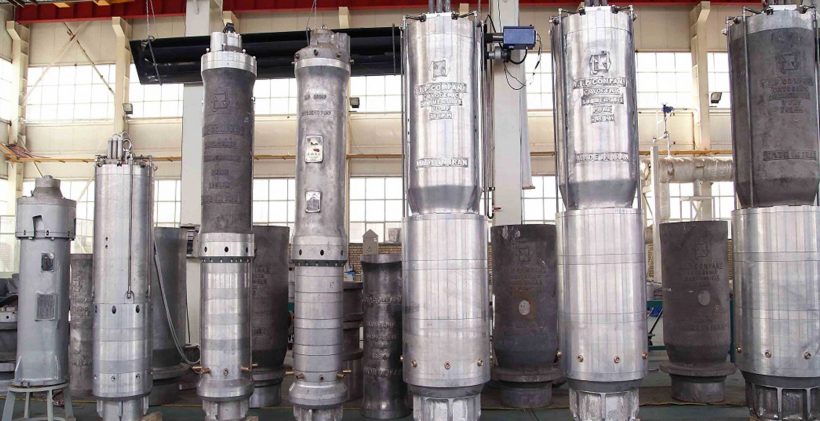
What is Cryogenic pumps? Applications of cryogenic pumps that play an important role in various industries including liquefied natural gas (LNG), space industries, medicine and scientific research. This article comprehensively reviews the principles of operation, structure, applications, advantages, challenges and future of floating cryogenic pumps. Cryogenic pumps are specialized and advanced tools designed to transfer

Components of Mechanical Seal

Introduction to Mechanical Seal Components

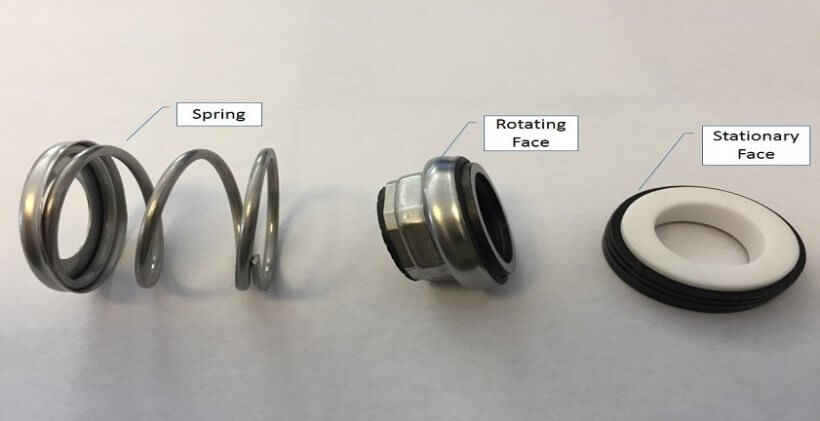
Components of Mechanical Seal The components of a mechanical seal include: Stationary Part: A smooth and polished surface installed inside the pump casing. Rotating Part: A smooth and polished surface mounted on the pump shaft. Spring: Usually made of stainless steel, it connects the stationary and rotating surfaces to ensure effective sealing. Elastomeric Ring (O-Ring)

positive displacement pumps

Full introduction of positive displacement pumps

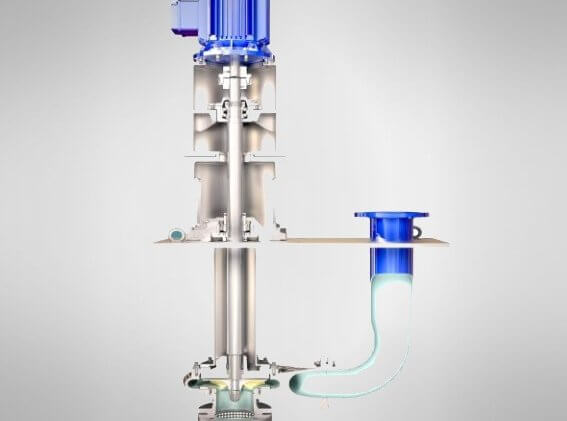
introduction of positive displacement pumps positive displacement pumps or PD pump in short move a constant volume of fluid in the system by repeatedly locking it. Pumping in this type of pump is done by piston, screw, gear, diaphragm, etc. These pumps are designed so that every pumping action is forward (positive) and prevents fluid

repairing mechanical seals

Diagnosing and repairing mechanical seals

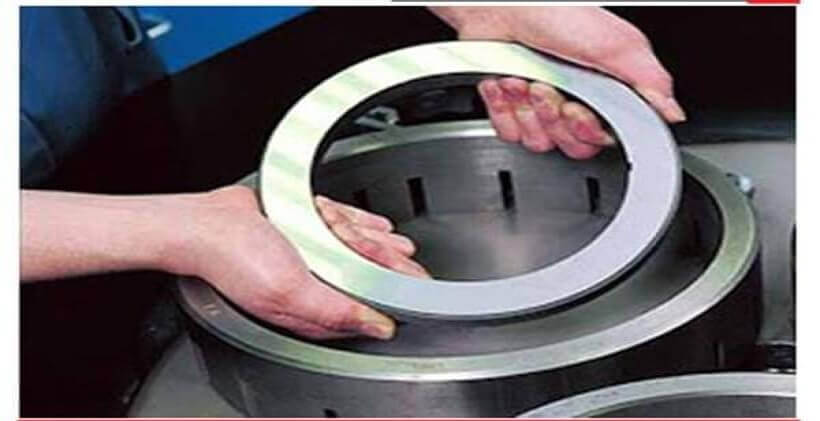
Specialized troubleshooting and repairing mechanical seals: Seal mechanical is often faced with dangerous, toxic and flammable fluids and must work under harsh conditions such as high speed, temperature and pressure; therefore, sealing wear is inevitable, especially in working conditions close to the highest limit for the system. The choice of whether to repair or replace