
The process pumps
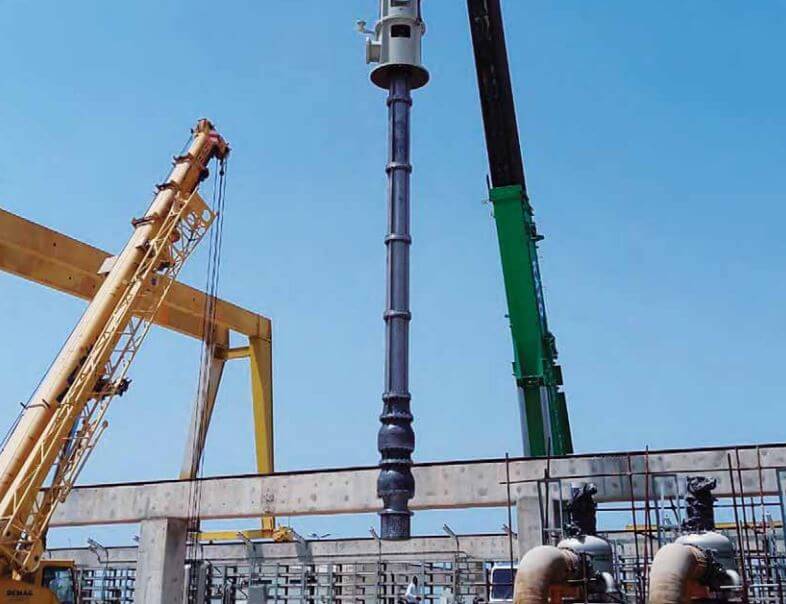
Oil and gas process pumps are one of the most important equipment in the oil and gas industry. These pumps are used to move liquids and liquefied gases in various stages of extraction, refining and transportation of oil and gas products. The correct selection, installation and maintenance of these pumps can have a significant impact on the productivity and safety of industrial operations.
Types of process pumps
Centrifugal Pumps:
Structure and function: These pumps use a rotating impeller to create centrifugal force and move liquid. The liquid enters the center of the impeller and is thrown at high speed to the outer side of the impeller.
Application: transportation of crude oil, refined products, water and other chemical liquids.
Advantages: Simple structure, lower maintenance cost, and high efficiency in handling low viscosity liquids.
Disadvantages: less efficient in moving liquids with high viscosity.
Positive Displacement Pumps:
Structure and function: These pumps use separate cavities or chambers to move a fixed volume of liquid in each cycle.
Application: moving liquids with high viscosity, such as heavy oil and additives.
Advantages: the ability to create high pressures, suitable for viscous and sensitive liquids.
Disadvantages: More complexity and higher cost of maintenance.
Diaphragm Pumps:
Structure and function: These pumps use a flexible diaphragm to move liquid. The reciprocating movement of the diaphragm creates pressure and moves the liquid.
Application: Moving liquids containing solid or corrosive particles.
Advantages: leak-free operation, suitable for corrosive and sensitive liquids.
Disadvantages: Limitation in displacement volume
Screw Pumps:
Structure and function: These pumps use one or more rotating screws to move liquid. The screws continuously draw fluid from the inlet to the outlet of the pump.
Application: transportation of crude oil and products with high viscosity.
Advantages: uniform flow, ability to handle high viscosity fluids, and high pressure performance.
Disadvantages: structural complexity and higher cost.
Application of process pumps in oil and gas industry
Some of the most important applications of these pumps in the oil and gas industry are as follows:
- Oil and gas extraction: Process pumps are used to move crude oil from wells to surface facilities.
- Refineries: In refineries, pumps are used to move and transfer crude oil, intermediate and final products.
- Pipelines: Process pumps are used to transfer oil and gas through pipelines to different destinations.
Process pumps play a very important role in the oil and gas industry. Their correct selection, installation and maintenance can have a significant impact on improving performance and reducing costs. Considering the existing challenges, the use of resistant materials, regular maintenance and appropriate control technologies can help increase the useful life and efficiency of these pumps.